
Ecology Behind the Camera:
Supporting More Sustainable Film & TV Production
Ecotainment has recently been on location, providing ecological support for a new Netflix drama series. Working with Quay Street Productions on behalf of ITV, our involvement is part of a much bigger picture: helping film and television productions work responsibly within the natural environments that provide some of their most spectacular locations.
Woodlands, forests, rivers, coastlines and open countryside can create incredible settings on screen. But these places are also living environments, supporting wildlife, protected species and important habitats. As productions increasingly look beyond traditional studios for authentic and visually striking locations, understanding the ecology of those places becomes an important part of responsible production planning.
Protecting the places that make great locations
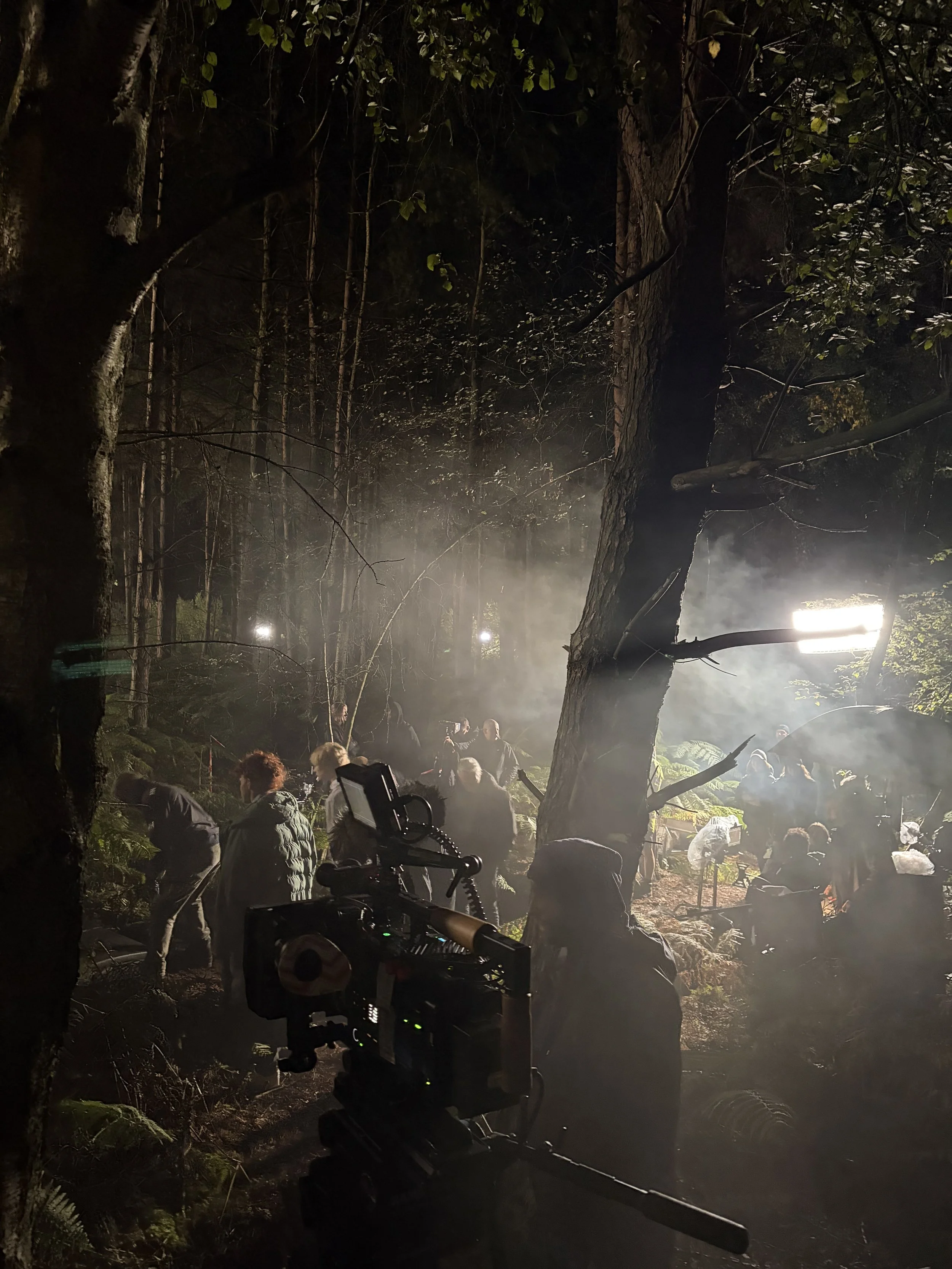
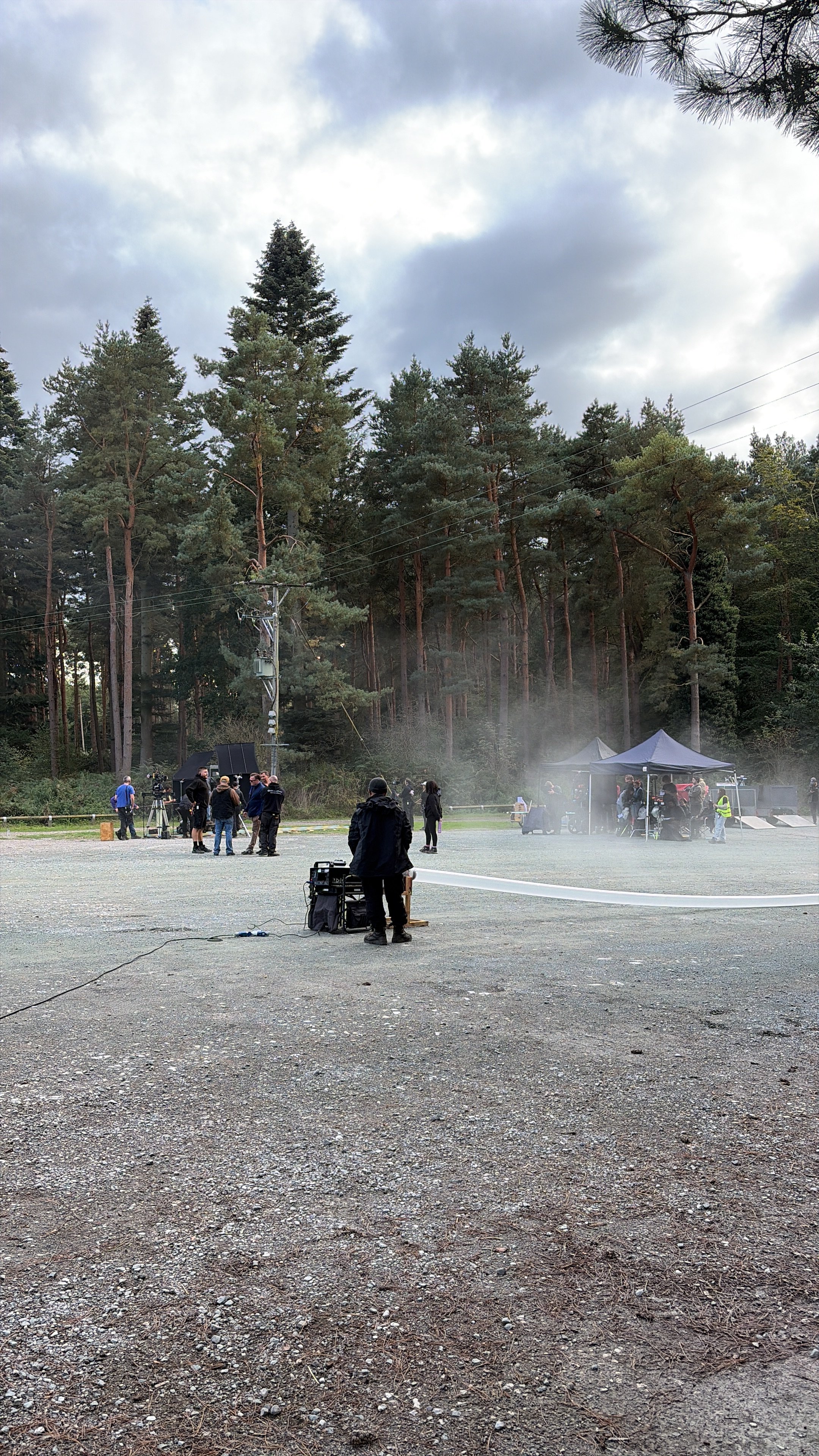
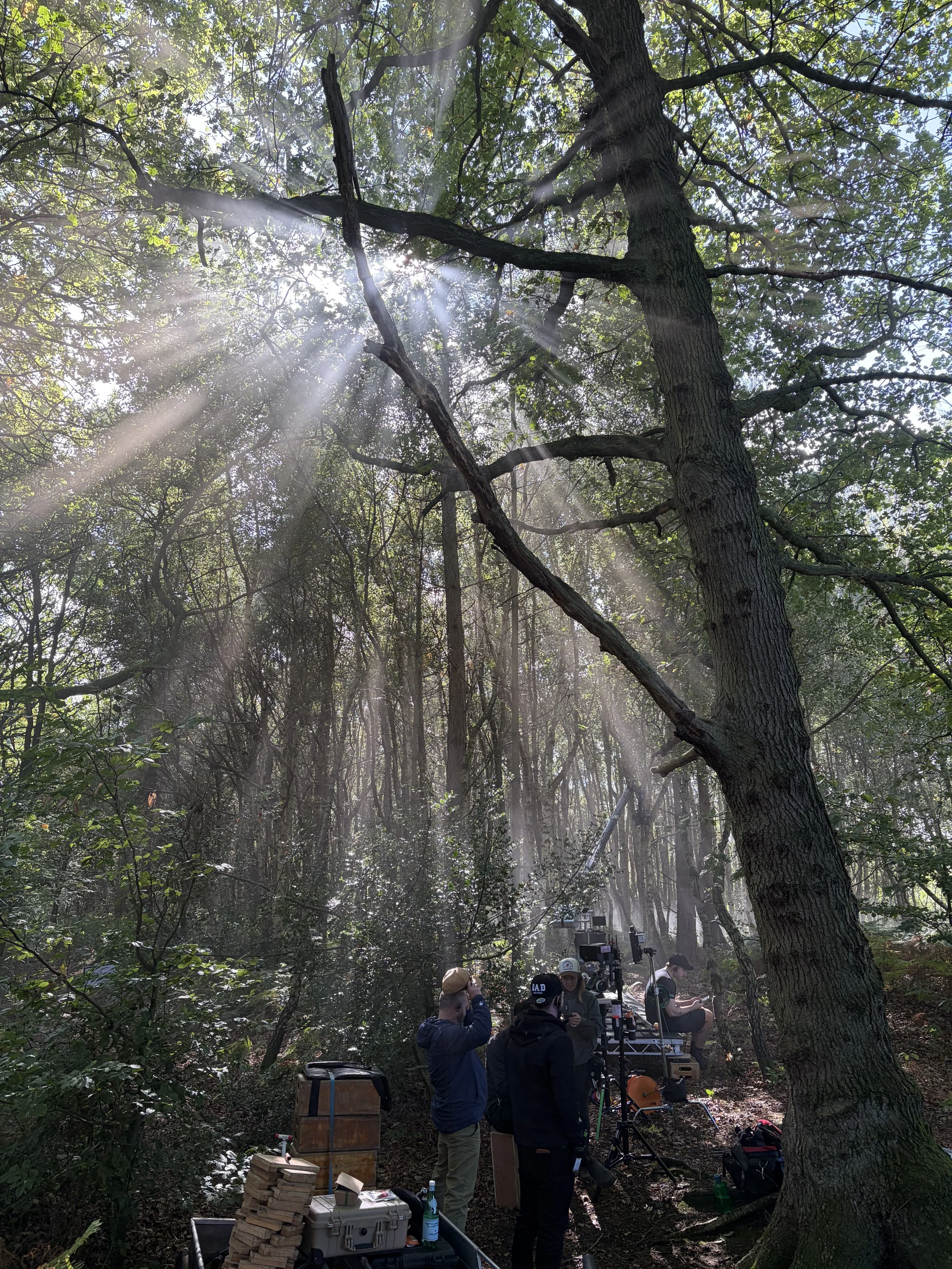
A location might look like the perfect setting for a scene, but from an ecological perspective there can be much more happening behind the camera. Trees may provide roosting opportunities for bats. Woodland floors can support amphibians, including protected species such as great crested newts. Vegetation can provide nesting habitat for birds, while deadwood, ponds, ditches and other natural features can support a wide range of wildlife. At the same time, filming can temporarily introduce vehicles, lighting, equipment, large numbers of people and special effects into environments that would normally experience relatively little disturbance.
That doesn't mean these places cannot be used for filming. It means ecology needs to become part of the conversation. By bringing ecologists into the process early, productions can understand potential constraints, plan around sensitive areas and put proportionate measures in place before filming begins.
Ecology as part of production
Our recent work has involved assessing a number of potential filming locations and the routes required to access them. Rather than simply identifying ecological constraints, the objective was to help establish how production activity and environmental protection could work alongside one another. That principle sits at the heart of Ecotainment.
Ecological support for film and television should not simply be about telling productions where they cannot go. It should be about understanding what a production needs to achieve and finding practical ways for it to happen while protecting wildlife and habitats. Sometimes that means adjusting how an area is accessed. Sometimes it means carefully managing lighting or atmospheric effects. In other situations, it can mean having an ecologist on set to provide real-time advice as filming progresses.
The important point is that ecological considerations are built into the production process rather than treated as an afterthought.
A bigger opportunity for the industry
The environmental conversation within film and television is growing. Sustainability is often associated with reducing carbon emissions, transport, energy consumption, waste and material use. All of these are important, but the environmental footprint of a production can also include its interaction with biodiversity and the places in which filming takes place. That creates an opportunity for the industry to think more broadly about what sustainable production looks like.
Ecotainment's approach
At Ecotainment, we want to help make that approach normal: bringing ecological expertise into film and television production so that creative ambition and environmental responsibility can work together. Great locations help tell great stories. Our job is to help make sure those locations — and the wildlife that depends on them — are still thriving long after the cameras have gone.